Join our WhatsApp Channel — Stay updated, no spam!

Author: awadmin

  • Steel Ball Run Episode 10: Frightening Monsters, Part 2 — Release Date, Recap and Where to Watch

    Steel Ball Run Episode 10: Frightening Monsters, Part 2 — Release Date, Recap and Where to Watch

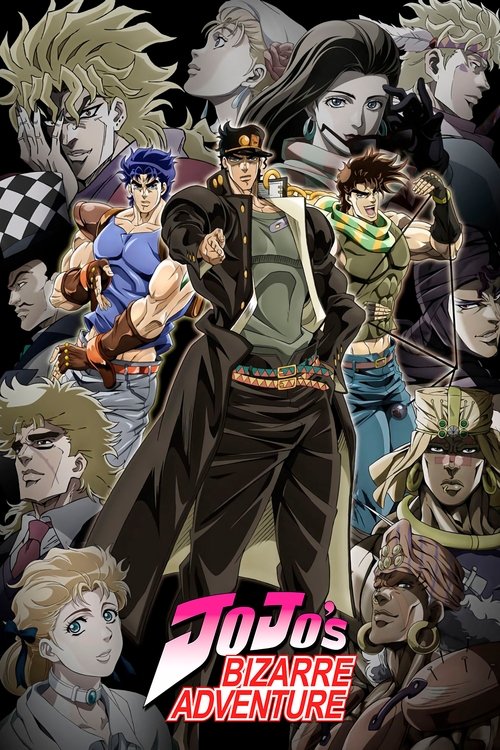
    Steel Ball Run Episode 10, “Frightening Monsters, Part 2”, premiered on Netflix on Friday, 20 November 2026, continuing the weekly Friday release of JoJo’s Bizarre Adventure: Steel Ball Run. The episode picks up exactly where Episode 9 left off, in the middle of the dinosaur fight, and it answers one of the biggest questions of the arc: who is Diego Brando, really, and what made him the man he is? It adapts manga chapters 29 and 30, and it ends on a moment that changes the race completely, with the Holy Corpse eyes in Diego’s hands.

    Steel Ball Run Episode 10 Release Date and Schedule

    Episode 10 premiered on Friday, 20 November 2026, on Netflix, as part of the series’ weekly Friday release pattern. Steel Ball Run is scheduled for 12 episodes in total. Episode 11 is due on Friday, 27 November 2026, and the finale, Episode 12, is scheduled for Friday, 4 December 2026. New episodes arrive weekly on Fridays, so viewers can follow the race in step with the release. For the previous chapter of this arc, see our Steel Ball Run Episode 9 recap, which covered “Frightening Monsters, Part 1” and set up the dinosaur fight that Episode 10 continues. Some listings call this episode “Scary Monsters, Part 2” instead of “Frightening Monsters, Part 2”; both names refer to the same episode, and this post uses the “Frightening Monsters” title throughout.

    Episode 10 Recap: The Dinosaur Fight Continues

    The episode opens in the middle of the fight, and it does not slow down. Johnny Joestar and Gyro Zeppeli are still facing Diego Brando and the dinosaurs he commands, and the battle is as strange and dangerous as anything Steel Ball Run has shown so far. Diego’s power lets him turn living things into dinosaurs, and the fight is not just about strength: it is about who can think faster while the rules of the battle keep changing. The dinosaurs press in from every side, and neither side can afford to lose.

    Diego Brando’s Tragic Backstory

    The heart of Episode 10 is Diego Brando’s backstory, and it is one of the most tragic in the whole of Steel Ball Run. The episode shows Diego as a young man, long before the race, growing up in poverty and hardship, and it shows how a single act of cruelty shaped everything that followed. Diego was not born a villain. He was a boy who wanted a better life, who worked and fought for every inch of it, and who learned early that the world does not give anything away for free. The backstory explains his coldness, his ambition, and his refusal to trust anyone: every time he trusted, he was hurt, and every time he hoped, the hope was taken from him. The race is his one chance to escape the life that was forced on him, and he will do anything to win it. For the wider story of the Joestar family across the generations, see our JoJo’s Bizarre Adventure catalog page.

    Gyro Starts Turning Into a Dinosaur

    The most shocking moment of the episode comes when Gyro Zeppeli himself starts turning into a dinosaur. Diego’s power is not something you can simply block or dodge: once it takes hold, the transformation spreads, and Gyro, one of the strongest and most experienced fighters in the race, begins to lose himself to it. Gyro feels his body changing, his thoughts slipping, and the fear is not just that he will become a dinosaur, but that he will stop being Gyro at all. The transformation also shows just how dangerous Diego’s power really is. It is not a weapon you can outfight. It is a force that remakes whatever it touches, and the only defence is to end the fight before it ends you.

    Diego Grabs the Holy Corpse Eyes

    The episode ends on a twist that changes the whole race. In the chaos of the fight, Diego Brando grabs the Holy Corpse eyes, the sacred relics that Johnny and Gyro have been carrying and protecting. Diego taking them is not just a theft. It is a shift in the balance of the story, because the man who already has a terrifying power now has something even greater, and Johnny and Gyro have lost the very thing they were fighting to protect. It sets up Episode 11 perfectly: Johnny and Gyro will have to find a way to take the eyes back, and Diego, now holding them, will be more dangerous than ever. The race to the finish is no longer just about speed. It is about who controls the Corpse, and right now, that is Diego.

    The English Dub Cast

    The English dub of Steel Ball Run continues to bring the characters to life with a strong cast. Diego Brando is voiced by Damien Haas. Johnny Joestar is voiced by Daman Mills. Gyro Zeppeli is voiced by Kaiji Tang. Dio, is voiced by Patrick Seitz. The dub is available on Netflix alongside the subtitled version, so viewers can choose the audio they prefer. There is no Hindi dub for Steel Ball Run announced at the time of writing, and this post makes no claim about one: the available audio options are those listed on the official Netflix page for the series.

    Where to Watch Steel Ball Run Episode 10 Legally

    Steel Ball Run streams officially on Netflix, which carries the series with weekly Friday episodes. Episode 10 premiered on 20 November 2026, Episode 11 is due on 27 November, and the finale is scheduled for 4 December 2026. Check the official Netflix app for the audio options available in your region. While you wait for the next episode, see our best action anime and best shonen anime lists, and our Hunter x Hunter page. For other series with the same intensity, our Attack on Titan explained guide and our Demon Slayer explained guide are natural next stops, and our Vinland Saga explained guide covers another story about a man shaped by a violent past.

    Steel Ball Run Episode 10: Frequently Asked Questions

    When did Steel Ball Run Episode 10 come out?

    On Friday, 20 November 2026, on Netflix, as part of the weekly Friday release.

    What is the episode called?

    “Frightening Monsters, Part 2”. Some listings call it “Scary Monsters, Part 2”; both names refer to the same episode.

    How many episodes will Steel Ball Run have?

    12 episodes in total. Episode 11 is due on 27 November 2026, and the finale, Episode 12, is scheduled for 4 December 2026.

    Which manga chapters does Episode 10 adapt?

    Manga chapters 29 and 30, covering Diego Brando’s backstory and the continuation of the dinosaur fight.

    What happens at the end of Episode 10?

    Diego Brando grabs the Holy Corpse eyes, taking the sacred relics from Johnny and Gyro and shifting the balance of the race.

    Does Gyro turn into a dinosaur?

    Gyro starts turning into a dinosaur during the fight, as Diego’s power takes hold of him.

    Who voices Diego Brando in the English dub?

    Damien Haas voices Diego, with Daman Mills as Johnny, Kaiji Tang as Gyro and Patrick Seitz as Dio.

    Where can I watch Steel Ball Run Episode 10?

    Officially on Netflix, which carries the series with weekly Friday episodes. Check the official app for the audio options in your region.

    The Bottom Line

    Steel Ball Run Episode 10 is the episode where the arc’s questions start getting answers: Diego Brando’s tragic backstory explains the man, Gyro’s transformation raises the stakes to their highest point yet, and Diego grabbing the Holy Corpse eyes at the end changes the whole race. Watch Episode 10 on Netflix, catch up with our Episode 9 recap, and start from the beginning on JoJo’s Bizarre Adventure.

  • Your Lie in April Explained: Story, Characters, Music and Where to Watch

    Your Lie in April Explained: Story, Characters, Music and Where to Watch

    Your Lie in April is one of the most-loved anime dramas ever made, and it starts with a silence. Kousei Arima was a piano prodigy, a child who won competition after competition, until the day he lost his mother and, with her, the ability to hear the notes he played. He stopped playing, and his world went grey. Then a free-spirited violinist named Kaori Miyazono bursts into his life, drags him back onto the stage, and teaches him that music is not about being perfect. It is about being alive. The series ran to 1 season and 22 episodes in 2014. This guide explains the story, the characters, the music and where to watch it legally.

    The Story of Your Lie in April in Brief

    Kousei Arima was a piano prodigy as a child, trained strictly by his mother, who pushed him to win. When she died, something in Kousei broke: he could still play the piano, but he could no longer hear the sound of his own notes, and so he stopped playing altogether. He drifted through his school days in grey until he met Kaori Miyazono, a violinist his own age who plays with wild, free, imperfect joy. Kaori refuses to let Kousei stay silent. She drags him back to the piano, first as her accompanist, then as a performer in his own right, and slowly the colour comes back into his world. But Kaori has a secret of her own, and the series builds towards a truth about her that changes everything. The story is about grief, healing, and how one person can pull another back into the light.

    The Main Characters

    Kousei is the heart of the show: a quiet, wounded boy who has convinced himself that his music died with his mother, learning to play again, not for a prize, but for himself. Kaori is his opposite in every way: loud, bold, honest and alive, a violinist who plays from the heart and refuses to be perfect if perfect means being cold. Around them stand the people who love them. Tsubaki Sawabe is Kousei’s childhood friend, a girl who has loved him for years and who watches him change with a mixture of joy and fear. Ryota Watari is their friend, a popular boy who hides his own feelings behind an easy smile. And Kousei’s mother, though gone before the story begins, is present in every episode, in his memories and in the voice he hears every time he sits at the piano. The cast is small, and that is the point: this is a story about a handful of people, and every one of them matters.

    The Music, Explained

    Music is not decoration in Your Lie in April. It is the language the characters use when words fail them. The series is built around classical music, and the performances are the emotional centre of every episode. Kousei’s playing at the start is technically perfect and completely empty, because he is playing to meet a standard, not to say anything. Kaori’s violin is the opposite: imperfect, wild and full of feeling, and it is her playing that teaches Kousei what music is actually for. As the series goes on, Kousei starts to play with feeling again, and the audience can hear the difference. The classical pieces the characters perform, from Chopin to Beethoven, are woven into the story so that each performance marks a step in Kousei’s recovery. The soundtrack has become one of the most-loved in anime, and many fans discovered classical music through this series. If you want more anime where music matters this much, our list of the best romance anime has more stories built around feeling, and our best drama anime list has more series that earn their tears.

    The 1 Season and 22 Episodes

    Your Lie in April ran to 1 season and 22 episodes in 2014, and it tells a complete story. The first half is about Kousei returning to music: the competitions, the performances, the slow rebuilding of his confidence, and the growing bond between him and Kaori. The second half deepens, as the truth about Kaori begins to surface and Kousei has to face what it means to love someone and to lose them. The series does not rush its ending. It takes the time to let every character say what they need to say, and the final episodes are among the most emotional in all of anime. Because it is a single season, you can watch the whole story in a weekend, and it stays with you for far longer than that. For another complete single-season story, see our A Silent Voice page, and for a longer emotional journey, our Clannad page.

    Why Your Lie in April Works So Well

    Your Lie in April works because it is honest about grief. It does not pretend that losing someone is something you get over, or that music fixes everything. Kousei’s recovery is slow and painful, and he backslides, and the people around him do not always know how to help. What the series does show is that healing is possible, and that it comes through other people: through Kaori’s stubborn refusal to let him hide, through Tsubaki’s loyalty, through the simple fact of being needed. Kousei’s world is grey and flat when the story begins, and colour returns to it as he returns to music. If you like stories about young people and the feelings they cannot name, our best romance anime and best drama anime lists are natural next stops, and our pages for Toradora!, Horimiya and Kaguya-sama: Love Is War cover more stories about love and growing up.

    Where to Watch Your Lie in April Legally

    Your Lie in April streams officially on Crunchyroll, which carries the series, including Hindi, Tamil, Telugu and English audio options. Availability and dub languages can vary by region, so check the official app where you are. For more dubbed options, see our Hindi dubbed anime list. Our pages for Weathering With You and Spirited Away are worth a visit, and Grave of the Fireflies is another story that will stay with you long after it ends.

    Your Lie in April: Frequently Asked Questions

    Who is the main character of Your Lie in April?

    Kousei Arima, a former piano prodigy who stopped playing after losing his mother, until the violinist Kaori Miyazono drags him back onto the stage.

    Who is Kaori Miyazono?

    A free-spirited violinist who plays with wild, joyful imperfection and refuses to let Kousei stay silent. She is the force that brings colour back into his world.

    How many seasons and episodes are there?

    1 season and 22 episodes, from 2014. The series tells a complete story.

    What kind of music is in the series?

    Classical music, centred on piano and violin performances, with works by composers including Chopin and Beethoven woven into the story.

    Is Your Lie in April a sad anime?

    Yes. It is a story about grief and healing, with one of the most emotional endings in anime, but it is also full of joy, music and hope.

    Where can I watch Your Lie in April?

    Officially on Crunchyroll, which carries the series with Hindi, Tamil, Telugu and English audio options. Check the official app for the options available in your region.

    The Bottom Line

    Your Lie in April is a story about a boy who lost his music and the girl who gave it back to him, told across 1 season and 22 episodes. It is funny, heartbreaking, and one of the finest dramas anime has ever produced. Start at episode one on Your Lie in April, and when you finish, our best drama anime list has more stories waiting to be heard.

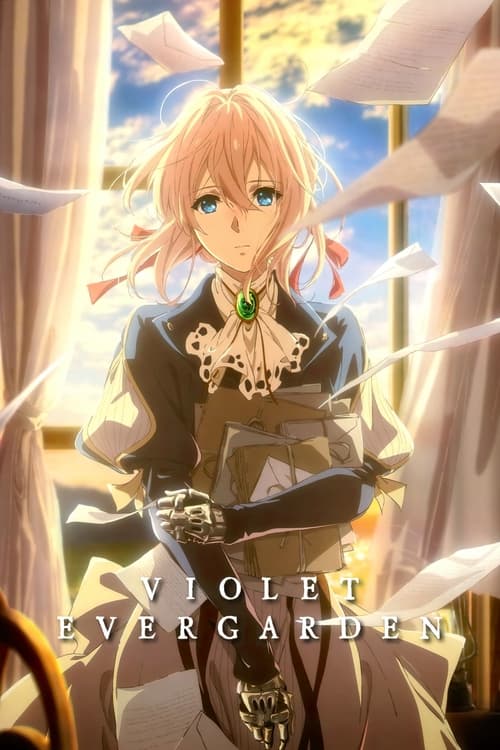
  • Violet Evergarden Explained: Story, Characters, Letters and Where to Watch

    Violet Evergarden Explained: Story, Characters, Letters and Where to Watch

    Violet Evergarden is one of the most beautiful anime ever made, and it starts with a question a soldier cannot answer. Violet was a child soldier who knew only war, raised as a weapon, taught to obey orders and nothing else. When the war ends, she takes a job writing letters for others as an Auto Memory Doll, and in helping strangers put their feelings into words, she slowly learns to understand the emotions she was never taught to feel. The series ran to 1 season and 13 episodes in 2018. This guide explains the story, the characters, the letters and where to watch it legally.

    The Story of Violet Evergarden in Brief

    Violet Evergarden was a child soldier, raised on the battlefield and valued only for what she could do with a weapon. She served under Major Gilbert Bougainvillea, the one person who treated her as something more than a tool, and his last words to her, words she did not understand, became the question that drives the whole series. When the war ends, Violet is left in a world she does not know how to live in. She has no family, no home, and no idea what her own feelings are. She takes a job at the CH Postal Company as an Auto Memory Doll, a professional letter writer who turns a client’s feelings into words. Each letter she writes teaches her something new about love, grief, guilt and hope, because to write someone else’s feelings down, she first has to understand them. And as she writes, she comes closer to understanding the words Gilbert spoke to her, and what they mean for the life she wants to build now that the war is over.

    The Main Characters

    Violet is the heart of the show: she is learning everything for the first time. She speaks plainly, takes orders literally, and does not understand why people cry or laugh, because nobody ever taught her. Watching her learn is the whole series, and it is quietly devastating. Major Gilbert Bougainvillea is the man whose words haunt her, the officer who saw her as a person when no one else did, and whose fate is the mystery at the centre of the story. Around them stands the staff of the CH Postal Company, the people who take Violet in and teach her how to live. Claudia Hodgins is the former officer who founded the company and gave Violet her job, a kind man who carries his own guilt from the war. Cattleya Baudelaire is the most popular Doll in the office, dramatic and warm, and Benedict Blue is the postman who grumbles at Violet but looks out for her all the same.

    The Letters, Explained

    The letters are the heart of Violet Evergarden, and each one is a small story of its own. An Auto Memory Doll does not just write down what a client says: the Doll listens, asks questions, and finds the words the client cannot find. One letter might be a man writing to his dead wife, another a mother writing to a daughter she will never see again, another a soldier writing home to apologise. Violet is the perfect Doll in one way and the worst in another: she writes exactly what she is told, without understanding any of it, and so her early letters are correct and completely empty. Letter by letter, she learns that the words matter less than the feelings behind them, and that a letter is not a record but a gift. The letter episodes are the most emotional in the series, because each one is about someone trying to say the one thing they never managed to say in person. If you like stories built around small, human moments, our best drama anime list is a natural next stop, and our Clannad page covers another story about ordinary people and the feelings they carry.

    The 1 Season and 13 Episodes

    Violet Evergarden ran to 1 season and 13 episodes in 2018, and it tells a complete story. The early episodes are built around the letters, each one a self-contained story that teaches Violet something new about being human. As the series goes on, the focus shifts back to Violet herself, to what happened to Gilbert, and to what she wants her own life to be now that she is free. The final episodes bring the two threads together, the letters and the mystery, and the ending is one of the most moving in anime. Every episode is crafted with extraordinary care: thirteen episodes, each one beautiful, each one worth watching twice. For another complete story in a single season, see our A Silent Voice page, and for a longer fantasy journey, our Made in Abyss page.

    Why Violet Evergarden Works So Well

    Violet Evergarden works because it believes that small things matter. The series is not about saving the world. It is about a woman learning to say “I love you” and mean it, about a letter arriving in time. The animation is among the most beautiful ever made for television, and the music carries the emotion without ever overwhelming it. What makes the series last is its honesty about recovery. Violet does not heal quickly, and she does not heal completely: she carries the war with her in every episode. What changes is that she starts to want a life of her own, and that wanting is the bravest thing she has ever done. If you like stories about healing and hope, our best drama anime and best fantasy anime lists are natural next stops, and our Fullmetal Alchemist: Brotherhood explained guide covers another story about soldiers coming home from war.

    Where to Watch Violet Evergarden Legally

    Violet Evergarden streams officially on Netflix, which carries the series, including Hindi, Tamil, Telugu and English audio options. Availability and dub languages can vary by region, so check the official app where you are. For more dubbed options, see our Hindi dubbed anime list. For other stories about war and its aftermath, see our Attack on Titan explained and Vinland Saga explained guides, and Grave of the Fireflies.

    Violet Evergarden: Frequently Asked Questions

    Who is the main character of Violet Evergarden?

    Violet Evergarden, a former child soldier who knows only war and takes a job writing letters for others as an Auto Memory Doll, slowly learning to understand emotions, including her own.

    What is an Auto Memory Doll?

    A professional letter writer who turns a client’s feelings into words. Violet works for the CH Postal Company, writing letters for people who cannot find the words themselves.

    Who is Major Gilbert Bougainvillea?

    The officer Violet served under in the war, the one person who treated her as more than a weapon. His last words to her are the question that drives the whole series.

    How many seasons and episodes are there?

    1 season and 13 episodes, from 2018. The series tells a complete story.

    Is Violet Evergarden sad?

    Yes, and it is honest about it. It is a story about recovery after war, and its most emotional moments come from small acts of kindness, not from big battles.

    Where can I watch Violet Evergarden?

    Officially on Netflix, which carries the series with Hindi, Tamil, Telugu and English audio options. Check the official app for the options available in your region.

    The Bottom Line

    Violet Evergarden is a story about a soldier learning to be a person, told through the letters she writes for strangers, across 1 season and 13 episodes of extraordinary beauty. It is quiet, heartbreaking, and one of the finest anime ever made. Start at episode one on Violet Evergarden, and when you finish, our best drama anime list has more stories waiting to be written.

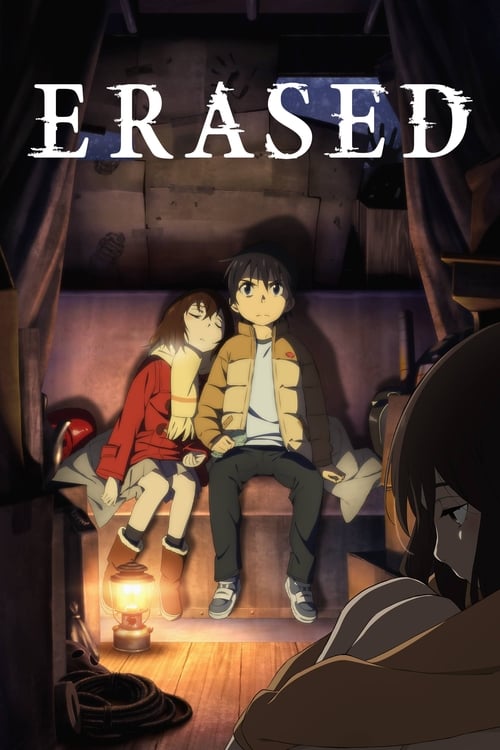
  • Erased Explained: Story, Characters, Time Travel and Where to Watch

    Erased Explained: Story, Characters, Time Travel and Where to Watch

    Erased is one of the most gripping mystery anime ever made, and it starts with a murder. Satoru Fujinuma is thrown back to his childhood whenever tragedy is about to strike near him, and when his mother is murdered, he returns to 1988 with one chance to stop a kidnapper and change everything. The series ran to 1 season and 12 episodes in 2016. This guide explains the story, the characters, the time travel and where to watch it legally.

    The Story of Erased in Brief

    Satoru Fujinuma is a young man with a strange gift. Moments before a tragedy happens near him, time rewinds a few minutes, and he gets a chance to prevent it. He calls it Revival, and he has lived with it for years, using it to stop small accidents. Then his mother is murdered, and everything changes. Satoru is blamed for the crime, and in the shock of the moment, Revival throws him back much further than ever before: to 1988, to his own childhood, to the year when a series of kidnappings took the lives of children in his town. Satoru realises that the murder of his mother and the kidnappings of 1988 are connected, and that he has one chance to stop the kidnapper. But he is a child again, and the killer is an adult, patient and careful, hiding in plain sight. The series becomes a race against time, as Satoru tries to protect the children around him and work out who the kidnapper is.

    The Main Characters

    Satoru is the heart of the show: an ordinary man given an extraordinary second chance. He is a struggling manga artist who drifted away from the people who loved him, and the return to 1988 forces him to confront the boy he was and the man he became. His mother, Sachiko Fujinuma, is the warm, sharp heart of the series, a woman who loves her son fiercely and notices things other adults miss. Her murder is the wound that drives the whole story. Kayo Hinazuki is the girl at the centre of the mystery, a quiet, lonely child who is being hurt at home and who becomes Satoru’s reason to fight. Protecting Kayo is not just about stopping a kidnapper. It is about giving a child the kindness she has never had. Around them stand Satoru’s childhood friends, including Kenya Kobayashi, the clever boy who becomes his ally.

    The Time Travel, Explained

    The time travel in Erased is simple in its rules and devastating in its consequences. Revival is not something Satoru controls. It happens to him, throwing him back to the moment before a tragedy, and he has to work out what is about to go wrong and stop it. The jump to 1988 is different only in scale: instead of minutes, he goes back eighteen years, to the year of the kidnappings, and he stays there, living as his ten-year-old self with an adult’s memories. He cannot tell anyone what he knows, because no one would believe a child, and he cannot simply accuse the kidnapper, because he has no proof and no power. He has to change the past by changing small things: being kind to Kayo, watching the people around him, and making sure the children are never alone when the killer is looking for them. Every change Satoru makes has a consequence, and some of those consequences are worse than what he was trying to prevent, which is what makes the mystery so tense. The past is not a puzzle to be solved. It is a place where real children are in real danger.

    The 1 Season and 12 Episodes

    Erased ran to 1 season and 12 episodes in 2016, and it tells a complete story. The middle of the series is a slow, careful investigation, as Satoru watches the adults around him and tries to work out which one of them is the kidnapper. The final episodes raise the tension to its highest point, as the killer closes in and Satoru runs out of time, and the ending brings the mystery to a close while also giving Satoru the answer to the question he has been asking since the beginning: what his life was actually for. At only twelve episodes, you can watch the whole story in a single evening, and the mystery is tight enough that every episode matters. For another short, tense mystery, see our Death Note explained guide, and for a longer thriller, our Monster page.

    Why Erased Works So Well

    Erased works because it is two stories at once, and both of them are honest. The mystery is genuinely gripping: the killer is hidden in plain sight, the clues are fair, and the reveal is shocking without being unfair. But the story that stays with viewers is the other one, the story of a man learning to care again. Satoru’s return to 1988 is not just a chance to catch a killer. It is a chance to be the person he should have been: kind to Kayo, present for his mother, a friend to the people he abandoned. The series is at its best in its quiet moments: a lunch shared, a birthday remembered, a child finally smiling. The snowy town of 1988, in cold blues and warm kitchen light, gives the show a look all of its own. If you like mysteries with real emotional weight, our best thriller anime, best mystery anime and best psychological anime lists are natural next stops, and our The Promised Neverland page covers another story about children in danger.

    Where to Watch Erased Legally

    Erased streams officially on Crunchyroll, which carries the series, including Hindi, Tamil, Telugu and English audio options. Availability and dub languages can vary by region, so check the official app where you are. For more dubbed options, see our Hindi dubbed anime list. For more stories about time and second chances, our Re:Zero explained guide covers another hero who dies and tries again, and our best supernatural anime list has more stories where the impossible becomes real.

    Erased: Frequently Asked Questions

    Who is the main character of Erased?

    Satoru Fujinuma, a young man who is thrown back to his childhood whenever tragedy is about to strike, and who returns to 1988 with one chance to stop a kidnapper after his mother is murdered.

    What is Revival?

    Satoru’s ability: moments before a tragedy happens near him, time rewinds, and he gets a chance to prevent it. The jump to 1988 is the same power on a much larger scale.

    Who is Kayo Hinazuki?

    A quiet, lonely girl in Satoru’s class in 1988, who is being hurt at home and who becomes the person Satoru most needs to protect.

    How many seasons and episodes are there?

    1 season and 12 episodes, from 2016. The series tells a complete story.

    Is Erased a time travel anime?

    Yes, but the time travel is a tool for the mystery, not the point of it. The story is about stopping a kidnapper and about a man learning to care again.

    Where can I watch Erased?

    Officially on Crunchyroll, which carries the series with Hindi, Tamil, Telugu and English audio options. Check the official app for the options available in your region.

    The Bottom Line

    Erased is a mystery that earns its tension and a story that earns its tears: a man thrown back to 1988, a murdered mother, a kidnapper hiding in plain sight, and a lonely girl who needs someone to care. Across 1 season and 12 episodes it is one of the tightest stories in anime. Start at episode one on Erased, and when you finish, our best mystery anime list has more puzzles waiting to be solved.

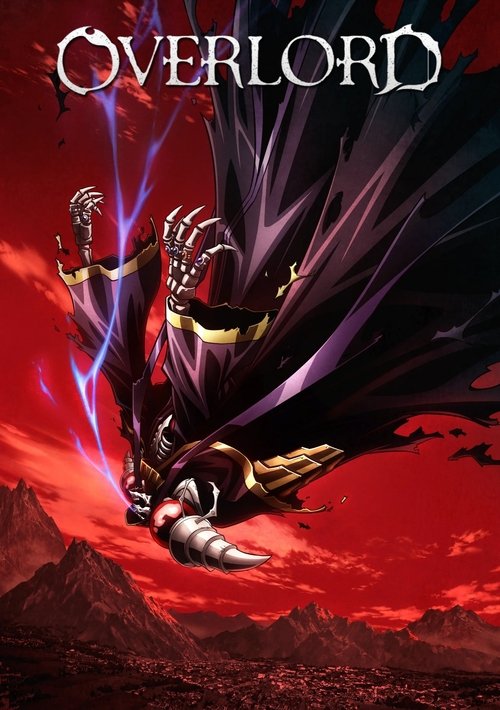
  • Overlord Explained: Story, Characters, Nazarick and Where to Watch

    Overlord Explained: Story, Characters, Nazarick and Where to Watch

    Overlord is one of the most popular isekai anime ever made, and it starts with a question every gamer has asked: what if the game never ended? When his game world is set to shut down, a player remains logged in as the undead overlord Ainz Ooal Gown, and wakes to find his guild’s NPCs alive and the world real. The series ran to 4 seasons and 52 episodes from 2015. This guide explains the story, the characters, Nazarick and where to watch it legally.

    The Story of Overlord in Brief

    Momonga was the leader of a guild in a virtual reality game, and on the final night before the game’s servers shut down, he stayed logged in until the end, sitting on his throne in the Great Tomb of Nazarick. Then the shutdown came, and the world did not end. Momonga woke up still in the game, but the game was now real: the NPCs he and his friends had created were alive, and the world outside the tomb was a living fantasy world. Momonga, now the undead overlord Ainz Ooal Gown, decided to find out what had happened to him, and whether any of his old guildmates were out there. To do that, he would need power, information and a name the whole world would know, so Ainz set out to conquer: in a world that might be hostile, the safest thing to be is the strongest thing in it. The series follows his rise, as Nazarick extends its reach across the world, and as the people who meet Ainz discover that the polite skeleton in front of them is also the most dangerous being alive.

    The Main Characters

    Ainz Ooal Gown is the heart of the show, and he is a deliberate contradiction. He was once an ordinary salaryman who played a game with his friends, and now he is an undead overlord with godlike power who still worries, quietly, about whether he is doing the right thing. He is loyal to his friends, protective of the NPCs who worship him, and kind to the few people he trusts. But he is also ruthless, because the safety of Nazarick comes first. Around him stands the court of Nazarick, the NPCs created by his guildmates who now serve him with absolute devotion. Albedo, the Overseer of the Floor Guardians, is beautiful, brilliant, utterly devoted to Ainz, and one of the most dangerous beings in the tomb. Shalltear Bloodfallen is a vampire, elegant and terrifying, and Demiurge is a demon whose plans are so far-reaching that even Ainz sometimes does not understand them. Cocytus is the honourable warrior, Aura and Mare are the twin dark elves who guard the tomb’s depths, and Sebas Tian is the butler who believes in mercy even in a world that has little of it.

    Nazarick, Explained

    The Great Tomb of Nazarick is the centre of Overlord, and it is far more than a dungeon: a vast underground fortress, built floor by floor by Ainz’s guild, with traps, guardians and treasures on every level, home to the NPCs who now live there. Each floor has its own Floor Guardian, and together they form the court that serves Ainz. Nazarick is also the last remnant of the guild, the home Ainz’s friends built together, and Ainz’s first loyalty is to it. The series spends a lot of time inside the tomb, showing the daily life of its inhabitants, and that is part of what makes Overlord different from other isekai: the home base is the heart of the story, and every conquest outside is about protecting what is inside. For more isekai built around a single great setting, see our best isekai anime list and our Sword Art Online page.

    The 4 Seasons and 52 Episodes

    Overlord ran to 4 seasons and 52 episodes from 2015. The first season introduces the premise: the shutdown, the awakening, the living NPCs, and Ainz’s first steps into the world outside the tomb. The later seasons widen the story, as Ainz’s name spreads and Nazarick’s influence grows from a hidden tomb into an empire. The series takes time to show the people on the other side, the adventurers and soldiers and kings who have to live in a world where Ainz exists, and their stories matter as much as his. It is about what happens to a world when an unstoppable force arrives in it, and how ordinary people try to survive that. For more dark fantasy, see our best dark fantasy anime list.

    Why Overlord Works So Well

    Overlord works because it takes the isekai fantasy, a nobody becoming powerful in another world, and follows it to its honest conclusion. Ainz is a man with unlimited power and no one left to tell him what to do with it, and the series never pretends that is a good thing, even as it makes him sympathetic. The dark humour comes from the gap between how Ainz sees himself, a careful planner trying to do his best, and how the world sees him, a terrifying undead overlord. Ainz wins not just because he is strong, but because he plans, uses information, and understands people. For a lighter take on the same genre, KonoSuba shows an isekai hero even less prepared than Ainz, and That Time I Got Reincarnated as a Slime covers another hero building a kingdom of monsters.

    Where to Watch Overlord Legally

    Overlord streams officially on Crunchyroll, which carries the series, including Hindi, Tamil, Telugu and English audio options. Availability and dub languages can vary by region, so check the official app where you are. For more dubbed options, see our Hindi dubbed anime list. The catalog listing notes that an official trailer is coming soon, so no trailer is linked here. For more stories about heroes who are not quite heroes, our Re:Zero explained guide and our Demon Slayer explained guide are worth reading, and our One Piece explained guide covers another long-running epic about a crew and the world they sail through.

    Overlord: Frequently Asked Questions

    Who is the main character of Overlord?

    Ainz Ooal Gown, the undead overlord. He was once a player named Momonga who stayed logged in on the final night of his game and woke to find the world real and the NPCs alive.

    What is Nazarick?

    The Great Tomb of Nazarick, a vast underground fortress built by Ainz’s guild, home to the Floor Guardians and the NPCs who now serve him. It is the heart of the series.

    Who is Albedo?

    The Overseer of the Floor Guardians, beautiful, brilliant and utterly devoted to Ainz, and one of the most dangerous beings in Nazarick.

    How many seasons and episodes are there?

    4 seasons and 52 episodes, from 2015.

    Is Ainz a hero or a villain?

    Neither, in the simple sense. He is loyal and kind to the people he trusts, and ruthless to anyone who threatens Nazarick. The series makes him sympathetic and terrifying at the same time.

    Where can I watch Overlord?

    Officially on Crunchyroll, which carries the series with Hindi, Tamil, Telugu and English audio options. Check the official app for the options available in your region.

    The Bottom Line

    Overlord is the isekai that asks what happens when the game never ends: a player who stayed logged in, a tomb full of living guardians, and a world that has to reckon with the undead overlord in its midst. Across 4 seasons and 52 episodes it delivers dark humour, real strategy and a compelling protagonist. Start at episode one on Overlord, and when you finish, our best isekai anime list has more worlds waiting to be conquered.

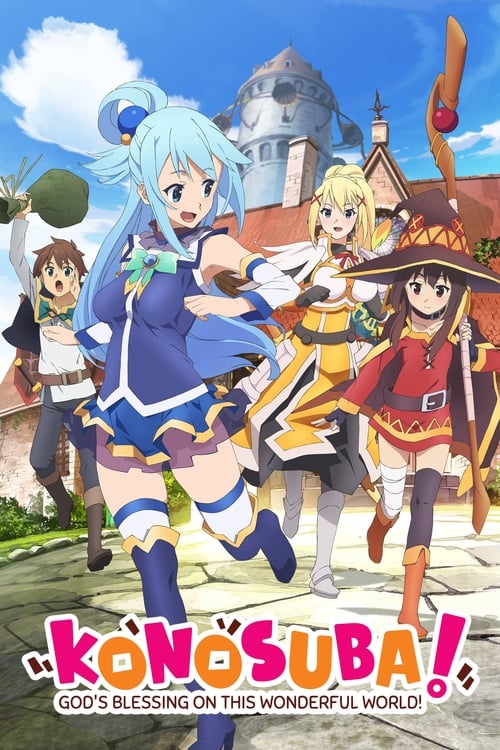
  • KONOSUBA Explained: Story, Characters, Kazuma’s Party and Where to Watch

    KONOSUBA Explained: Story, Characters, Kazuma’s Party and Where to Watch

    KONOSUBA is the isekai that asks what would happen if the hero, the goddess and the party were all completely useless, and then somehow makes that the funniest premise in anime. Kazuma dies embarrassingly and is reborn in a fantasy world with a useless goddess, a masochistic knight and an explosion-obsessed mage, in a hilarious parody that turns every isekai trope upside down. The series ran to 3 seasons and 31 episodes from 2016. This guide explains the story, the characters, Kazuma’s party and where to watch it legally.

    The Story of KONOSUBA in Brief

    Kazuma Sato is an ordinary shut-in teenager whose life ends in the most embarrassing way imaginable, and whose afterlife begins with an offer. A goddess named Aqua gives him a choice: go to heaven, or be reborn in a fantasy world to fight the Demon King. Kazuma chooses the fantasy world, and he is allowed to take one thing with him. Furious at Aqua for mocking him, he picks Aqua herself, dragging the goddess down to the world with him. The two of them arrive in a starting town called Axel, and the grand adventure Kazuma expected immediately falls apart. There is no chosen-one destiny waiting for him and no powerful cheat skill. Instead there is rent to pay, food to buy, and quests that pay almost nothing, and Kazuma has to take on the lowliest jobs just to survive. Slowly, reluctantly, he gathers a party.

    The Main Characters

    Kazuma is the heart of the show, and he is the opposite of the typical isekai hero. He is not brave, not noble and not particularly strong, but he is clever, practical and endlessly frustrated by the people around him, which makes him the perfect straight man in a party of disasters. Aqua, the goddess he dragged along, is beautiful and powerful in theory but completely useless in practice: she is vain, lazy, cries at the smallest setback and spends the party’s money on alcohol, even though her healing and water magic are genuinely impressive. Megumin is the party’s mage, obsessed with a single spell, Explosion, the most powerful magic in the world, which she can cast exactly once a day before collapsing, because it drains all of her mana in one blast. Darkness is the party’s knight, a noblewoman with enormous strength and defence who cannot hit anything with her sword, and who, as the catalog description puts it, is masochistic, enjoying the pain of battle a little too much.

    Kazuma’s Party, Explained

    The party is the whole show, and it works because every member fills a classic fantasy role and then breaks it. Kazuma is the leader, the one who plans, negotiates and does the actual thinking, which means he is the one who suffers the most. Aqua is the priest and healer, whose job is to support the party, but who causes more problems than she solves and has to be carried, literally and financially, by everyone else. Megumin is the archwizard, the source of the party’s real firepower, but her power is so extreme and so limited that the party has to build every plan around a single explosion and then run away. Darkness is the crusader and the tank, the shield who is supposed to stand between the party and danger, but who charges into danger because she enjoys it, and whose sword swings miss so reliably that her real contribution is taking hits. Together they take on quests and fight the Demon King’s generals, and somehow keep winning.

    The Fantasy World of KONOSUBA, Explained

    The world Kazuma lands in is a deliberate parody of the fantasy worlds of role-playing games, and every part of it is built to be funny. Adventurers register at a guild, take quests from a board, earn money and level up, exactly like a video game, except that the quests are humiliating, the pay is terrible, and the monsters are often more sensible than the adventurers. The Demon King is the great threat hanging over the world, and his generals are the villains of each arc, but the show is far more interested in the everyday life of Axel, the starting town, than in the war itself. The world feels lived in because it runs on rules, money and embarrassment rather than destiny, and that is why the comedy lands: Kazuma is not fighting fate, he is fighting rent.

    The 3 Seasons and 31 Episodes

    KONOSUBA ran to 3 seasons and 31 episodes from 2016. The first season introduces Kazuma, Aqua and the world of Axel, establishes the party and the rhythm of the show, and ends with the party’s first real victory against one of the Demon King’s generals. The second season expands the world, brings in new allies and new enemies, and pushes the comedy further as the party grows more famous and no more competent. The third season continues the story with the party taking on bigger threats and bigger quests, while keeping the same focus on the four of them and their disasters. For another isekai that plays with the genre, see our Re:Zero explained guide, and for the wider fantasy picture, our lists of the best isekai anime and the best fantasy anime.

    Why KONOSUBA Works So Well

    KONOSUBA works because it understands the fantasy genre well enough to parody it with love rather than contempt. Every joke is built on a real trope: the chosen hero, the helpful goddess, the powerful mage, the noble knight, and each one is twisted just enough to be funny without becoming cruel. The characters are the reason it lasts. Kazuma is selfish and lazy and cowardly, and yet he is the one who keeps the party alive, because he is the only one thinking clearly. If you like comedy with a big heart, see our best comedy anime list and our Gintama explained guide.

    Where to Watch KONOSUBA Legally

    KONOSUBA streams officially on Crunchyroll, which carries the series, including Hindi, Tamil, Telugu and English audio options. Availability and dub languages can vary by region, so check the official app where you are. For more dubbed options, see our Hindi dubbed anime list.

    KONOSUBA: Frequently Asked Questions

    Who is the main character of KONOSUBA?

    Kazuma Sato, an ordinary teenager who dies embarrassingly and is reborn in a fantasy world, where he drags the goddess Aqua along with him and slowly gathers a party.

    Who is in Kazuma’s party?

    Aqua, the goddess he dragged to the fantasy world; Megumin, the mage obsessed with the Explosion spell, which she can cast only once a day; and Darkness, the masochistic knight who cannot hit anything with her sword but can take any blow.

    What is Megumin’s Explosion spell?

    The most powerful magic in the world, which she can cast only once a day before collapsing.

    How many seasons and episodes are there?

    3 seasons and 31 episodes, from 2016.

    Who is the Demon King?

    The great threat hanging over the fantasy world, whose generals are the villains of the show’s arcs. The series is more interested in the everyday life of Axel than in the war itself.

    Where can I watch KONOSUBA?

    Officially on Crunchyroll, which carries the series with Hindi, Tamil, Telugu and English audio options. Check the official app for the options available in your region.

    The Bottom Line

    KONOSUBA is the funniest isekai ever made because it refuses to let anyone be a hero: a lazy boy, a useless goddess, a one-spell mage and a knight who cannot hit anything, somehow winning anyway, across 3 seasons and 31 episodes. Start at episode one on KONOSUBA, and when you finish, our best isekai anime list has more worlds waiting.

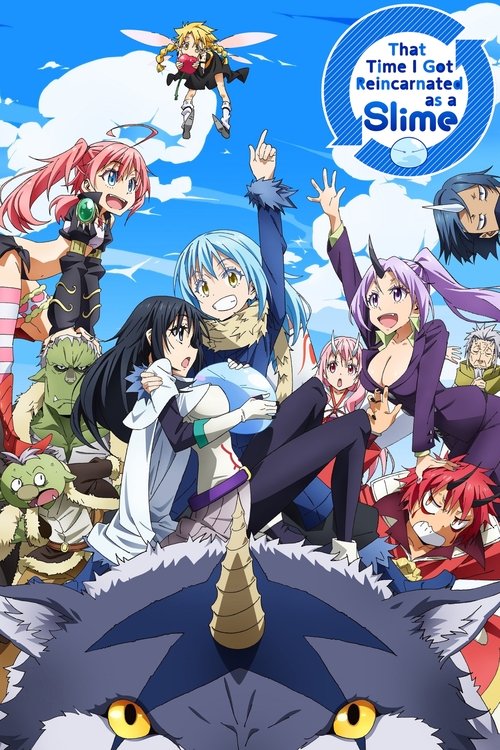
  • That Time I Got Reincarnated as a Slime Explained: Story, Characters, Tempest and Where to Watch

    That Time I Got Reincarnated as a Slime Explained: Story, Characters, Tempest and Where to Watch

    That Time I Got Reincarnated as a Slime is the warmest isekai in anime, and it starts with the most unpromising hero imaginable: a man reborn as a blob. After dying in his old life, Satoru wakes up reborn as a slime in a world of monsters and magic, and with his unique powers he sets out to build a nation where every race can live together. Season 1 ran to 24 episodes from 2018, and this guide is based on that season. This is the story, the characters, Tempest and where to watch it, explained simply.

    The Story of That Time I Got Reincarnated as a Slime in Brief

    Satoru Mikami is an ordinary salaryman, a kind and unremarkable man in his late thirties, who dies protecting a colleague on the street and wakes up in a fantasy world as a slime, the weakest monster in any game. He has no arms, no legs and no face, but he does have two extraordinary abilities: Predator, which lets him devour anything and take on its powers, and the Great Sage, a voice in his head that answers his questions and analyses the world for him. He befriends a great storm dragon trapped in a cave, takes the name Rimuru, and sets out into the Great Forest of Jura. Rimuru rescues a village of goblins, befriends the direwolves that attacked them, and slowly builds a place where monsters of every kind can live together in peace. That place becomes Tempest, and the series is the story of how a slime became a leader, a diplomat and a king.

    The Main Characters

    Rimuru Tempest is the heart of the show, and he is a hero built entirely out of kindness and common sense. He is not driven by revenge or ambition, but by a simple idea: that the monsters everyone else treats as enemies deserve a home, and that a nation can be built on trade, trust and good food rather than fear. He names every monster he meets, and the creatures he names grow stronger and more loyal. Around him gathers a cast that defines the series. The goblins he rescues first become his earliest followers and his first village. The direwolves become his scouts and his cavalry. The ogres he befriends become his fiercest warriors, and the dwarves he negotiates with become his craftsmen and his link to the wider world of trade. Each of them gets a name, a job and a place in Tempest, which is the whole point of the show.

    Rimuru’s Powers, Explained

    Rimuru’s powers are the engine of the story, and they are deliberately built around eating and learning rather than fighting. Predator lets him devour anything, from a blade of grass to a dragon, and absorb its abilities, which means he grows stronger by understanding the world rather than by conquering it. The Great Sage is the voice that guides him, answering his questions, analysing his enemies and explaining the rules of magic, a skill that makes him the smartest person in every room even when he has no idea what he is doing. His real challenges are not battles but negotiations: trade deals, old wars and building a government. His power is a metaphor for the show itself: growth through curiosity, not conquest.

    Tempest, the Nation Rimuru Builds

    Tempest is the most important idea in the series, and it is what makes Slime different from every other isekai. It starts as a goblin village in the Great Forest of Jura, and it grows, episode by episode, into a town, then a city, then a nation with laws, trade, schools and an army. Rimuru builds it deliberately as a place where every race can live together: goblins, wolves, ogres, dwarves, lizardmen and humans, all with a place and a purpose. That is why fans love it. Tempest is a wish-fulfilment fantasy, but the wish is not power, it is a community, and every new ally who joins proves the idea works. For another isekai about building a world, see our Re:Zero explained guide, and for the wider fantasy picture, our lists of the best isekai anime and the best fantasy anime.

    Season 1: 24 Episodes from 2018

    Season 1 of That Time I Got Reincarnated as a Slime ran to 24 episodes in 2018, and it covers Satoru’s death and rebirth, his meeting with the storm dragon, his arrival in the Great Forest of Jura, and the building of Tempest from a single goblin village into a growing nation. Each arc brings a new people into Tempest. Later seasons continue the story, but this guide bases all of its hard numbers on Season 1, which is what the catalog post on this site covers. For a lighter take on the same genre, see KonoSuba.

    Why That Time I Got Reincarnated as a Slime Works So Well

    Slime works because it is optimistic without being naive. Rimuru is overpowered, and the series knows it, so it never pretends his battles are in doubt. Instead it asks a harder question: what do you do with power once you have it? Rimuru’s answer is to build something good with it, and the series is sincere about that answer in a way that is rare in the genre. If you like warm, hopeful stories, see our best slice of life anime list.

    Where to Watch That Time I Got Reincarnated as a Slime Legally

    That Time I Got Reincarnated as a Slime streams officially on Crunchyroll, which carries the series, including Hindi, Tamil, Telugu and English audio options. Availability and dub languages can vary by region, so check the official app where you are. For more dubbed options, see our Hindi dubbed anime list and our best anime on Crunchyroll in Hindi, Tamil and Telugu guide, and for the catalog entry, our That Time I Got Reincarnated as a Slime page.

    That Time I Got Reincarnated as a Slime: Frequently Asked Questions

    Who is the main character?

    Satoru Mikami, an ordinary salaryman who dies in his old life and wakes up reborn as a slime in a world of monsters and magic. He takes the name Rimuru and sets out to build a nation where every race can live together.

    What are Rimuru’s powers?

    Predator, which lets him devour anything and take on its powers, and the Great Sage, a voice in his head that answers his questions and analyses the world for him.

    What is Tempest?

    The nation Rimuru builds in the Great Forest of Jura, starting as a goblin village and growing into a city and then a nation where goblins, wolves, ogres, dwarves, lizardmen and humans all live together.

    How many episodes are in Season 1?

    24 episodes, from 2018. This guide bases its hard numbers on Season 1, which is what the catalog post on this site covers. The story continues in later seasons.

    Is Slime an isekai?

    Yes. Satoru dies in his old life and is reborn in a fantasy world, but unlike most isekai heroes he uses his power to build a nation rather than to defeat a demon king.

    Where can I watch it?

    Officially on Crunchyroll, which carries the series with Hindi, Tamil, Telugu and English audio options. Check the official app for the options available in your region.

    The Bottom Line

    That Time I Got Reincarnated as a Slime is the warmest isekai in anime: a man reborn as a slime who builds a nation where every race can live together, across Season 1’s 24 episodes from 2018. Start at episode one on That Time I Got Reincarnated as a Slime, and when you finish, our best isekai anime list has more worlds waiting.

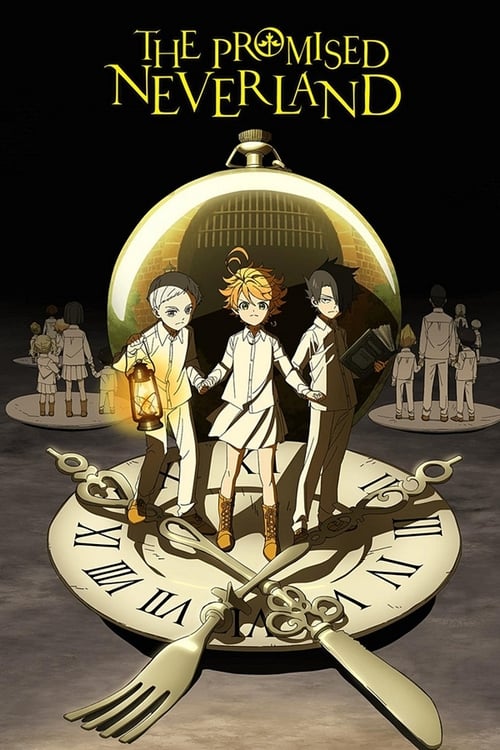
  • The Promised Neverland Explained: Story, Characters, Escape and Where to Watch

    The Promised Neverland Explained: Story, Characters, Escape and Where to Watch

    The Promised Neverland is one of the most gripping thrillers in anime, and it starts with the happiest place imaginable hiding the darkest secret imaginable. Children at a perfect orphanage discover the horrifying truth about their world, and plan a daring escape, in a gripping cat-and-mouse thriller where the hunters never see it coming. The series ran to 2 seasons and 23 episodes from 2019.

    The Story of The Promised Neverland in Brief

    Grace Field House is a perfect orphanage. The children who live there are happy, healthy and loved, and they are looked after by Isabella, a kind woman they call Mama, who teaches them, feeds them and tucks them in at night. The brightest of them are Emma, Norman and Ray, three eleven-year-olds who score full marks on every test and believe they will one day be adopted by a loving family. Then one night Emma and Norman follow a younger child who has been chosen for adoption, and they discover the truth: the orphanage is a farm, the children are livestock, and the loving families they dreamed of do not exist. The children are being raised as food for demons, and the highest scorers are the most valuable of all. Emma, Norman and Ray decide to escape, and to take every child in the house with them. But the house is watched and Mama knows her children well, so the escape becomes a battle of wits.

    The Main Characters

    Emma is the heart of the show, and she is the reason the escape plan is not just an escape but a rescue. She is athletic, optimistic and fiercely loyal, and she refuses to leave anyone behind, even when leaving someone behind would make the plan work. That refusal is the moral centre of the series. Norman is the strategist, the quiet genius who plans the escape in detail, who thinks ten moves ahead and who is willing to sacrifice himself for the others. Ray is the third of the trio, the cynical reader who has known the truth about the house longer than the others and who has been planning his own escape in secret for years. Around them stands Isabella, Mama, one of the most chilling villains in anime: she genuinely cares for the children, and she will hand them over to be eaten anyway, because that is the system she serves.

    Grace Field House and the Farm System, Explained

    The farm system is the horror at the centre of the series, and it is revealed slowly, piece by piece, which is why the first season is so tense. Grace Field House is one of several farms, and each farm is run like an orphanage, with a Mama in charge, children who are tested and educated, and a schedule that looks, from the outside, like a perfect childhood. The tests are the key detail: the children are given daily tests, and their scores determine their value, because the demons who eat them prize intelligence, and the smartest children are the finest food. The demons remain mostly unseen in the early episodes, which makes them more frightening: the real monster in the first season is the system, and the woman who runs it. The escape has to beat the system, not just the fence, and that means the children have to outthink Mama, outwit the tracking devices sewn into their ears, and cross a forest they have never been allowed to enter.

    The Escape, Explained

    The escape is the plot of the first season, and it is told as a series of moves and counter-moves, each one more desperate than the last. The children have to learn the truth without letting Mama know they know it, which means smiling at breakfast and planning in secret at night. They have to train for a journey they have never been allowed to imagine, while Mama watches them and quietly removes the pieces she suspects. The plan is a work of genius, and every step is threatened by a new revelation: a traitor among the children, a spy in the house, a deadline that moves closer every day. The first season ends with the escape itself, a sequence that is still one of the most celebrated in modern anime, because it is earned by every small decision that came before it. The second season follows the children into the world outside the walls.

    The 2 Seasons and 23 Episodes

    The Promised Neverland ran to 2 seasons and 23 episodes from 2019. The first season is the escape from Grace Field House, a tightly plotted thriller set almost entirely inside the orphanage. The second season takes the children into the outside world, where they learn about the demons, the human world and the history of the farms. The anime and the manga tell the story differently after the first season, and the second season compresses and changes much of the manga’s story. For the wider thriller picture, see our Attack on Titan explained guide and our Death Note explained guide, and for the genre lists, our best thriller anime and best mystery anime lists.

    Why The Promised Neverland Works So Well

    The Promised Neverland works because it trusts its audience and its heroes. The children are not saved by adults or by powers, but by their own intelligence, and the series lets them be genuinely brilliant: Norman’s plans are real plans, with real logic, and the show respects the viewer enough to show the working. The tension comes from stakes that are absolute and a setting that looks safe and is not, so every ordinary moment carries a threat. The themes are simple and they are repeated in every episode: family is something you choose, not something you are given, and the people who love you are not always the people who protect you. If you like dark stories with real stakes, see our best drama anime list and our Tokyo Ghoul explained guide.

    Where to Watch The Promised Neverland Legally

    The Promised Neverland streams officially on Crunchyroll, which carries the series, including Hindi, Tamil, Telugu and English audio options. Availability and dub languages can vary by region, so check the official app where you are. For more dubbed options, see our Hindi dubbed anime list.

    The Promised Neverland: Frequently Asked Questions

    Who are the main characters?

    Emma, Norman and Ray, the three brightest children of Grace Field House, who discover the truth about their orphanage and plan an escape to take every child with them.

    What is Grace Field House?

    An orphanage that is secretly a farm, where children are raised as food for demons. The children are tested and educated because the demons prize intelligence, and the smartest children are the most valuable.

    Who is Mama?

    Isabella, the kind woman who runs Grace Field House and cares for the children, and who will hand them over to be eaten anyway, because that is the system she serves.

    How many seasons and episodes are there?

    2 seasons and 23 episodes, from 2019.

    Do the children escape?

    The first season is the story of the escape, told as a battle of wits between the children and Mama. The second season follows them into the world outside the walls.

    Where can I watch The Promised Neverland?

    Officially on Crunchyroll, which carries the series with Hindi, Tamil, Telugu and English audio options. Check the official app for the options available in your region.

    The Bottom Line

    The Promised Neverland is a thriller that earns its tension: three brilliant children, a perfect orphanage hiding a farm, and an escape that has to outwit the woman who raised them, across 2 seasons and 23 episodes. Start at episode one on The Promised Neverland.

  • Classroom of the Elite Explained: Story, Characters, Ayanokoji and Where to Watch

    Classroom of the Elite Explained: Story, Characters, Ayanokoji and Where to Watch

    Classroom of the Elite is the school anime that is really a psychological thriller, and it starts with a simple idea: a school where everything you are worth is a number. At an elite school where merit decides everything, Ayanokoji hides his brilliance while his class fights to climb from the bottom to Class A. The series ran to 4 seasons and 54 episodes from 2017.

    The Story of Classroom of the Elite in Brief

    The Advanced Nurturing High School is the most prestigious school in Japan, promising its graduates a guaranteed future at any university or company. The students are divided into four classes, A to D, and Class D, where the story begins, is the bottom, the class of the rejects, the students the school has judged to be defective in some way. Everything in the school runs on a system of points: students are given a monthly allowance of points that can be spent like money, and those points are tied to the class’s behaviour, its test scores and its standing. A class can rise or fall, but the rules are never fully explained, and the school watches everything. Into this system walks Ayanokoji Kiyotaka, a quiet, unremarkable boy who has deliberately placed himself in Class D, and who hides a brilliance that no one in the school suspects. He does not want to stand out or lead, but the class keeps pulling him in, and the school’s games keep forcing him to show what he can do.

    The Main Characters

    Ayanokoji Kiyotaka is the heart of the show, and he is one of the most fascinating protagonists in anime precisely because he refuses to be one. He is calm, polite and deliberately average, a boy who answers questions just well enough to avoid attention and who hides, behind that ordinary face, a mind that can read a room, predict a rival and win a game before anyone else knows a game is being played. He is willing to manipulate his classmates to keep himself safe and his class climbing. Around him stands Class D, and its members define the series. Horikita Suzune is the cold, driven girl beside him, a brilliant student who wants to reach Class A and who first suspects Ayanokoji is more than he seems. Kushida Kikyo is the cheerful, popular girl who befriends everyone and who hides a very different side of herself.

    The S-System and the School, Explained

    The S-System is the machine that runs the school, and it is the key to understanding the series. Every student is given points, and those points are money, status and power all at once: they buy food, clothes and luxuries, and they can be transferred, traded and gambled. A class earns points by behaving well, scoring well on tests and winning the school’s special exams, and it loses points for misbehaviour, failure and disobedience. The ranking decides everything, from the dormitories to the respect of the teachers. But the real rule is that merit is everything and the system is always watching, and the school’s true purpose is never stated outright. The special exams are where the series is at its best: each one is a game with hidden rules, and the classes have to outthink each other, form alliances, betray each other and survive, while Ayanokoji quietly moves the pieces from the back of the board. The system is a metaphor for the world outside the school: the people who win are not always the ones who deserve to.

    Ayanokoji, the Hidden Genius, Explained

    Ayanokoji is the mystery at the centre of the series, and the show reveals him slowly, which is why he is so compelling. He was raised in the White Room, a facility that trained children to be perfect in every way, and he emerged brilliant at academics, sport, strategy and reading people, yet determined to live an ordinary life. His genius is not flashy. He does not give speeches or show off. He wins by preparation, by understanding what other people want, and by letting them believe they are in control while he arranges the outcome. He keeps having to choose between staying hidden and helping his class, and every time he helps, he risks being seen. The show keeps asking whether a person who can win any game should play at all, and what it costs to care about people when caring makes you vulnerable. For another genius playing a deadly game, see our Death Note explained guide and our Code Geass explained guide.

    The 4 Seasons and 54 Episodes

    Classroom of the Elite ran to 4 seasons and 54 episodes from 2017. The first season introduces the school, the S-System and Class D, and ends with the class’s first real victory. The later seasons take the story through the school year and beyond, with new exams, new rivals and new revelations about Ayanokoji’s past, while Class D fights its way up from the bottom. The games build on each other, and a detail from an early episode can become the key to a later victory. For the wider picture, see our best psychological anime list.

    Why Classroom of the Elite Works So Well

    Classroom of the Elite works because it takes the school setting, one of the most familiar in anime, and turns it into a game with real stakes. The exams are genuinely clever, and the series shows the working, so every twist can be followed and every victory understood. The themes are simple and they are repeated in every arc: merit is not the same as worth, the system is not the same as justice, and the people at the bottom are not there because they are worthless. Ayanokoji is the reason the show lasts: a hero who is also a mystery the series never fully explains. For another school story with secrets at its heart, see our Spy x Family explained guide and our best drama anime list.

    Where to Watch Classroom of the Elite Legally

    Classroom of the Elite streams officially on Crunchyroll, which carries the series, including Hindi, Tamil, Telugu and English audio options. Availability and dub languages can vary by region, so check the official app where you are. For more dubbed options, see our Hindi dubbed anime list.

    Classroom of the Elite: Frequently Asked Questions

    Who is the main character?

    Ayanokoji Kiyotaka, a quiet student in Class D who hides his true brilliance while his class fights to climb from the bottom up to Class A.

    What is the S-System?

    The system that runs the school: students are given points that work as money, status and power, and a class earns or loses points through behaviour, test scores and special exams, which decides its ranking.

    What is Class D?

    The bottom class of the school, the class of the students the school has judged to be defective in some way. The story follows Class D as it fights to climb to Class A.

    How many seasons and episodes are there?

    4 seasons and 54 episodes, from 2017.

    What is the White Room?

    The facility where Ayanokoji was raised, which trained children to be perfect in every way. His past there is the mystery at the centre of the series.

    Where can I watch Classroom of the Elite?

    Officially on Crunchyroll, which carries the series with Hindi, Tamil, Telugu and English audio options. Check the official app for the options available in your region.

    The Bottom Line

    Classroom of the Elite is a school anime that is really a psychological thriller: a hidden genius, a school where merit is everything, and a bottom class fighting its way to the top, across 4 seasons and 54 episodes. Start at episode one on Classroom of the Elite.

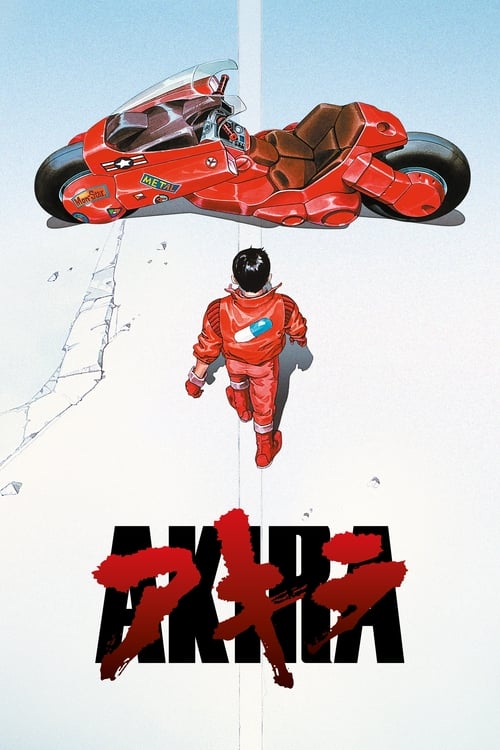
  • Akira Explained: Story, Characters, Neo-Tokyo and Where to Watch

    Akira Explained: Story, Characters, Neo-Tokyo and Where to Watch

    Akira is the most important anime film ever made, and it starts with a friendship, a crash and a power no one can control. In a rebuilt Neo-Tokyo, biker gang leader Kaneda’s friend Tetsuo gains terrifying psychic powers that threaten to destroy the city, in the landmark cyberpunk film that brought anime to the world stage. The film runs 2 hours and 4 minutes, from 1988.

    The Story of Akira in Brief

    Neo-Tokyo is a city rebuilt from the ashes of a destroyed Tokyo, corrupt, violent and divided, with protests in the streets and a government losing control. Kaneda is the leader of a biker gang, a cocky teenager who races through the city at night, and Tetsuo is his best friend, a smaller boy who has lived in Kaneda’s shadow for as long as either can remember. One night Tetsuo crashes into a strange child on the road, and the crash awakens psychic powers in him that the government has studied in secret for decades. The military takes Tetsuo away, and when he returns he is no longer the boy Kaneda knew. His powers grow with every day, and so does his anger, at the city, at the government, and at Kaneda, and as he grows stronger the city around him begins to break apart. Kaneda has to find his friend before the power destroys them both, and before the military, which wants to control Tetsuo or kill him, gets to him first.

    The Main Characters

    Kaneda is the heart of the film, and he is a hero built out of loyalty and stubbornness. He is loud, reckless and confident, and his story is of a boy who has always protected his friend realising that friend is now the most dangerous person in the city. Tetsuo is the tragedy at the centre of the film, and he is one of the most sympathetic villains in anime: a boy who was always weak, always second and always overlooked, suddenly given a power that makes him the strongest person alive, with no idea how to control it. Around them stands Kei, a member of the resistance fighting the government, who becomes Kaneda’s ally, and the Colonel, the officer in charge of the psychic research programme, trapped between his duty and his conscience.

    Neo-Tokyo, Explained

    Neo-Tokyo is the most famous city in anime, and it is a character in its own right. It was built on the ruins of a Tokyo destroyed by an explosion in 1988, caused by a psychic child named Akira, whose power destroyed the city. Thirty-one years later, in 2019, the rebuilt city is a place of neon, concrete and decay: a metropolis that looks like the future and feels like it is falling apart, with a corrupt government, a violent police force, protests in the streets, and a youth culture of biker gangs and drugs. Its design, its crowds, its highways and its slums, is still the template for cyberpunk in anime and in film. The film’s vision is a warning: a city rebuilt without learning from what destroyed it.

    Tetsuo’s Powers and Akira, Explained

    Tetsuo’s powers are the engine of the film, and they are deliberately a power with no limit and no instruction manual. He begins with telekinesis, and his power grows daily until he can fly, heal himself and tear apart anything in his path, and the growth itself is the horror: his body begins to swell and mutate, because no human body was meant to hold that much power. The government has seen this before: its programme produced Akira, a boy whose power grew beyond any control and destroyed Tokyo. Akira himself is sealed away, frozen in a chamber beneath the city, and the film’s climax is built around him: the military wants to keep him sealed, Tetsuo wants to free him, and Kaneda wants to stop them both. The ending is one of the most famous in anime, a sequence of destruction and transformation that has been argued about ever since. For another story about power and its price, see our Attack on Titan explained guide, and for the genre lists, our best sci-fi anime list.

    The Film: 2 Hours 4 Minutes, from 1988

    Akira is a film, not a series, and it runs 2 hours and 4 minutes, from 1988. It was directed by Katsuhiro Otomo, who also created the manga it is based on, and it was the most expensive anime film ever made at the time, with a budget that allowed a level of detail never seen before: hand-drawn animation and a city that feels alive in every frame. The film compresses a long manga into a single story and changes its ending, so the film and the manga are two different tellings of the same story. It brought anime to the world stage, introduced Western audiences to Japanese animation as a serious art form, and its imagery, from Kaneda’s red motorcycle to the neon of Neo-Tokyo, has been copied ever since.

    Why Akira Works So Well

    Akira works because it is a film about power, friendship and a city that is falling apart, and it treats all three with complete seriousness. Kaneda and Tetsuo are two boys who grew up together and are being torn apart by something neither understands, and the film never lets the audience forget that. The themes are timeless: what happens when power is given to someone who has never had any, who gets to decide what a city is worth, and whether a friendship can survive when one friend becomes a god. For another story about power and its price, see our Code Geass explained guide and our best mecha anime list.

    Where to Watch Akira Legally

    Akira streams officially on Crunchyroll, which carries the film, including Hindi, Tamil, Telugu and English audio options. Availability and dub languages can vary by region, so check the official app where you are. For more dubbed options, see our Hindi dubbed anime list.

    Akira: Frequently Asked Questions

    Who are the main characters of Akira?

    Kaneda, the biker gang leader, and his best friend Tetsuo, who gains terrifying psychic powers after a crash, plus Kei of the resistance and the Colonel, the military officer in charge of the psychic research programme.

    What is Neo-Tokyo?

    A city rebuilt on the ruins of a Tokyo destroyed by an explosion in 1988, an explosion caused by a psychic child named Akira. Thirty-one years later it is a corrupt, violent metropolis on the edge of collapse.

    Who is Akira?

    The psychic child whose power destroyed Tokyo and who is sealed away in a chamber beneath Neo-Tokyo. The film’s climax is built around him, as Tetsuo tries to free him and the military tries to keep him sealed.

    How long is Akira, and when was it made?

    2 hours and 4 minutes, from 1988. It was directed by Katsuhiro Otomo, who also created the manga it is based on, and it was the most expensive anime film ever made at the time.

    Is Akira a series or a film?

    A film, not a series. It compresses a long manga into a single story and changes the manga’s ending, so the film and the manga are two different tellings of the same story.

    Where can I watch Akira?

    Officially on Crunchyroll, which carries the film with Hindi, Tamil, Telugu and English audio options. Check the official app for the options available in your region.

    The Bottom Line

    Akira is the most important anime film ever made: a friendship, a power no one can control, and a city on the edge of collapse, in 2 hours and 4 minutes from 1988. Start with the film on Akira.