 ANIMEWORLD
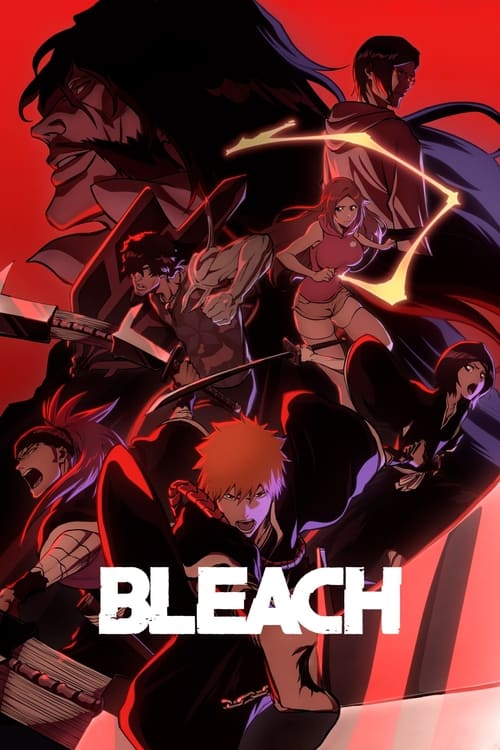
Bleach is a long series with a clear main story and a long history of anime-only detours, so a simple episode count does not tell a new viewer how to watch it. This guide gives you the complete picture: how many episodes there are, how the original run and Thousand-Year Blood War fit together, which arcs are filler, where the films and specials belong, and what to check before watching in India.
The headline numbers are straightforward. TMDB lists the original Bleach run as 366 episodes, premiering on 5 October 2004, and lists Thousand-Year Blood War as a separate 50-episode run premiering on 11 October 2022. Together, that is 416 television episodes. TMDB also lists four specials separately, so they are not included in the 416 total. The original series is the long road; Thousand-Year Blood War is the final arc, and it only makes full sense after the original story.
At a Glance
| Item | Verified position |
|---|---|
| Original series | 366 episodes, from 2004 |
| Thousand-Year Blood War | 50 episodes, from 2022 |
| Combined television total | 416 episodes |
| Specials | 4, listed separately by TMDB |
| Films | 4, all optional side stories |
| India availability | Not Confirmed as a single India listing in this check |
| Hindi dub | Not Confirmed |
If you watch one episode a day, the original series alone is a year-long project, and the full 416 episodes take well over a year. That is why the order below matters more than speed. Follow the canon path, skip the filler arcs if you want the main story only, and treat everything else as optional.
Season and Arc Breakdown
TMDB groups Bleach in a way that can confuse new viewers, so read this table with that grouping in mind. TMDB lists the original run as one 366-episode season and Thousand-Year Blood War as a second, 50-episode season. The arcs below are the story blocks inside those runs. This guide marks filler at arc level and does not assign episode-number ranges to filler arcs, because TMDB does not split the original run into arc-sized seasons and fan-list ranges were not used as a source for this guide.
| Order | Arc or run | Type | What it does |
|---|---|---|---|
| 1 | Substitute Soul Reaper and Soul Society | Canon | Ichigo gains Soul Reaper powers and the Soul Society story begins. |
| 2 | Bount Arc | Filler — skip for the main story | An anime-only story about the Bount; it does not advance the manga plot. |
| 3 | Arrancar and Hueco Mundo | Canon | The main Arrancar story, with the battles that define the middle of the series. |
| 4 | New Captain Amagai Arc | Filler — skip for the main story | An anime-only captain storyline inserted into the canon run. |
| 5 | Zanpakuto Unknown Tales Arc | Filler — skip for the main story | An anime-only story in which the Zanpakuto spirits take form. |
| 6 | Arrancar: Downfall and the Fake Karakura Town story | Canon | The canon conclusion of the Arrancar conflict. |
| 7 | Gotei 13 Invading Army Arc | Filler — skip for the main story | An anime-only invasion story, separate from the manga plot. |
| 8 | Lost Agent Arc | Canon | The final canon arc of the original run, setting up Ichigo’s later return. |
| 9 | Thousand-Year Blood War | Canon sequel run | The final arc, in 50 episodes, against the Quincy army. |
Filler: What to Skip and What to Keep
The four named filler arcs are the Bount Arc, the New Captain Amagai Arc, the Zanpakuto Unknown Tales Arc, and the Gotei 13 Invading Army Arc. If your goal is the main story, skip all four. None of them is needed to understand Soul Society, the Arrancar story, the Lost Agent Arc, or Thousand-Year Blood War. They are self-contained anime-only stories, and the canon story resumes after each one without requiring you to have seen it.
In addition to those four arcs, a small number of standalone filler episodes sit inside otherwise canon stretches of the original run. This guide notes them at arc level only: they are individual one-off episodes that do not connect to the surrounding plot. If you are watching in broadcast order and an episode suddenly feels disconnected from the story you were following, that is the likely explanation, and skipping it will not break the main plot. Do not try to memorise a number for every one-off; the safer rule is story continuity. If an episode introduces a problem that is never mentioned again, it was optional.
There is one common mistake to avoid. Do not skip a whole canon arc because it sits next to a filler arc. The Arrancar story, in particular, is interrupted by filler, and jumping past the interruption can easily mean jumping past canon as well. Use the table above as a map: canon, filler, canon, filler, and so on, in that order.
Where Thousand-Year Blood War Fits
Thousand-Year Blood War is not a reboot and it is not a side story. It is the final arc of Bleach, presented as a separate run after a long gap. TMDB lists it as 50 episodes, premiering in October 2022, and its finale is episode 50, streamed in October 2026. Watch it after the original 366 episodes, or at least after the canon arcs of the original run, because it assumes you know Ichigo, the Soul Reapers, and the history of Soul Society.
If you are returning to Bleach after years away, Thousand-Year Blood War is the part to prioritise, but it is not a good starting point for a completely new viewer. A short recap of the Soul Society and Arrancar stories will help far more than starting cold, because the final arc moves quickly and leans on long-established rivalries and revelations. Our Bleach: Thousand-Year Blood War finale coverage explains the 50-episode run and its finale in more detail.
Movies and Specials Placement
Bleach has four anime films, and all four are optional side stories rather than required viewing. Watch them only if you want extra Bleach adventures, and watch them after you know the main characters, because they assume familiarity with Ichigo and the Soul Reapers. They do not need to be slotted between specific canon episodes to make sense, and none of them is required before Thousand-Year Blood War.
The four TMDB specials are also separate from the 416-episode television total. Treat them the same way: optional extras, best watched after the main run, and never a substitute for a canon arc. If a service lists a special inside a season entry, check its description before counting it toward your progress, because specials are catalogued differently from regular episodes.
How to Watch Bleach in Order
The simplest complete order is: original series canon arcs in the order in the table above, skipping the four filler arcs, then Thousand-Year Blood War in order, then the films and specials if you want them. That gives you the full story without the anime-only detours. If you prefer the full broadcast experience, watch everything in broadcast order, including the filler arcs, and accept the much longer run time.
For a first watch, the canon-only path is the better recommendation. It keeps the momentum of the Soul Society and Arrancar stories, it avoids the long filler interruptions that made the original broadcast feel slow, and it still leaves the filler arcs available later as optional extras. If you fall in love with a particular set of characters, you can always return to the Zanpakuto Unknown Tales Arc or the Bount Arc afterwards, knowing that you are watching a side story rather than missing plot.
Where to Watch in India and Hindi Dub Status
India availability: Not Confirmed as a single verified India listing in this check. That label means this check did not verify one India catalogue entry covering the full run, not that Bleach is unavailable everywhere. VIZ lists Thousand-Year Blood War on Disney+ internationally, and in India the service to check first for that run is JioHotstar, because JioHotstar carries Disney+ content in India. Check the JioHotstar app by title and confirm which episodes are listed before subscribing for Bleach alone.
For the original series, search each major service by title in India — Crunchyroll, Netflix India, Prime Video India, and JioHotstar — and confirm the episode count on the title page. Catalogues change, seasons can be split across entries, and a listing in another country does not verify India. Hindi dub: Not Confirmed. No official listing checked for this guide confirmed a Hindi dub for the original series or for Thousand-Year Blood War, and Hindi subtitles are also Not Confirmed on that basis. That distinction matters: Hindi subtitles are not Hindi audio, and a subtitled listing does not become a dubbed listing because it is easy to watch. See our Bleach Hindi Dub guide and our Where to Watch Bleach in India guide for the full checked position.
Pacing and Beginner Tips
Bleach rewards patience, but it also rewards a plan. Set a steady pace — for example, a fixed number of episodes per week — rather than trying to binge the original run in a few sittings, because the canon story is long and the filler interruptions are easier to handle when you have a map. Keep the arc table open while you watch, and mark each arc as canon or filler before you start it, so you never have to guess whether a slow stretch is story or side content.
New viewers should also resist the temptation to read ahead about Thousand-Year Blood War twists. The final arc is built on revelations about Ichigo’s heritage and the Quincy, and those revelations land far better if you have followed the original series first. If you only have time for a short introduction, watch the opening Substitute Soul Reaper story and the start of the Soul Society arc; by then you will know whether Bleach’s mix of supernatural action, sword fights, and Soul Society politics is for you.
Frequently Asked Questions
How many episodes of Bleach are there? There are 416 television episodes in total: 366 in the original series plus 50 in Thousand-Year Blood War, plus four specials listed separately by TMDB and four optional films.
Which Bleach arcs are filler? The four named filler arcs are the Bount Arc, the New Captain Amagai Arc, the Zanpakuto Unknown Tales Arc, and the Gotei 13 Invading Army Arc. Standalone filler episodes also appear inside canon stretches, but they are not needed for the main plot.
Can I skip filler and still understand Thousand-Year Blood War? Yes. Skip the four filler arcs and any standalone one-off that does not connect to the surrounding plot, and follow the canon arcs in order. Thousand-Year Blood War follows the canon story, not the filler.
Do I need to watch the Bleach films? No. All four films are optional side stories. Watch them after you know the main characters if you want extra adventures, but they are not required for the series or for Thousand-Year Blood War.
Is Bleach available in Hindi dub in India? Not Confirmed. No official listing checked for this guide confirmed a Hindi dub for the original series or Thousand-Year Blood War. Check the audio menu on the service you use, and do not assume subtitles mean a dub exists.
Can I watch only Thousand-Year Blood War? You can, but it is the final arc and it assumes knowledge of the original series. New viewers should start with the original run, or at least its canon arcs, first.
Related Guides
For the full viewing order, see our Bleach Watch Order. For India streaming, see Where to Watch Bleach in India, and for dub status, see Bleach Hindi Dub. For the finale, see Bleach: Thousand-Year Blood War Finale. If you want something similar after Bleach, try 15 Anime Like One Piece, Anime Like Jujutsu Kaisen, and 15 Best Action Anime of All Time.
Last verified: 28 October 2026


Leave a Reply