 ANIMEWORLD
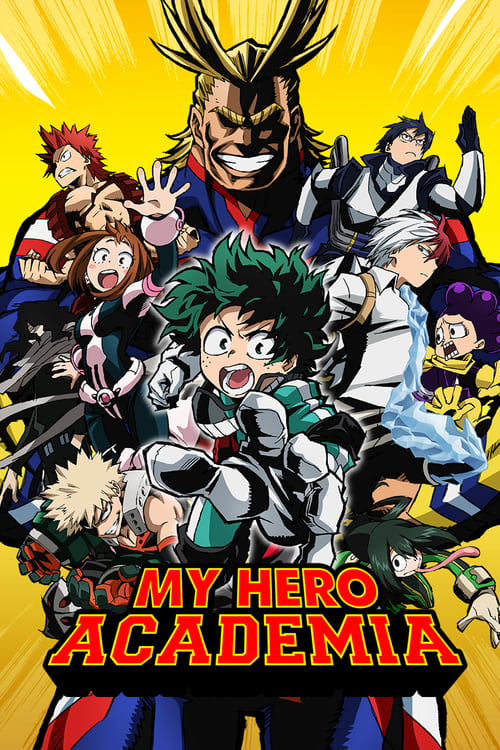
In a world where nearly everyone is born with a superpower, what happens to the boy who has none? That single question powers My Hero Academia, one of the most loved shonen anime of the past decade. Since it began in 2016, the series has followed Izuku Midoriya, better known as Deku, from a powerless fanboy to a hero-in-training at the famous U.A. High School, carrying the legacy of the greatest hero of all. Across eight seasons and 170 episodes, with the final season arriving in 2025, the story grows from cheerful school battles into a full-scale war for the future of hero society. This guide explains the story, the characters, the power system and where to watch it.
What Is My Hero Academia?
My Hero Academia is set in a world where most people are born with a superpower called a Quirk. Some Quirks are flashy, like super strength or explosions, while others are small and strange, like a tail or the ability to make objects float. Because Quirks are so common, hero work has become a real profession, with licensed Pro Heroes, hero agencies and hero schools. The story centres on Deku, a kind-hearted teenager who was born without a Quirk in a world that treats power as normal. His life changes when he meets All Might, the Symbol of Peace, who sees something in the powerless boy that nobody else does. All Might passes his own Quirk, One For All, to Deku, and the boy who once could only watch heroes on television enrols at U.A. High to learn what it truly means to be one. If you want the full viewing order first, our My Hero Academia watch order lays out the seasons in sequence.
The Story So Far
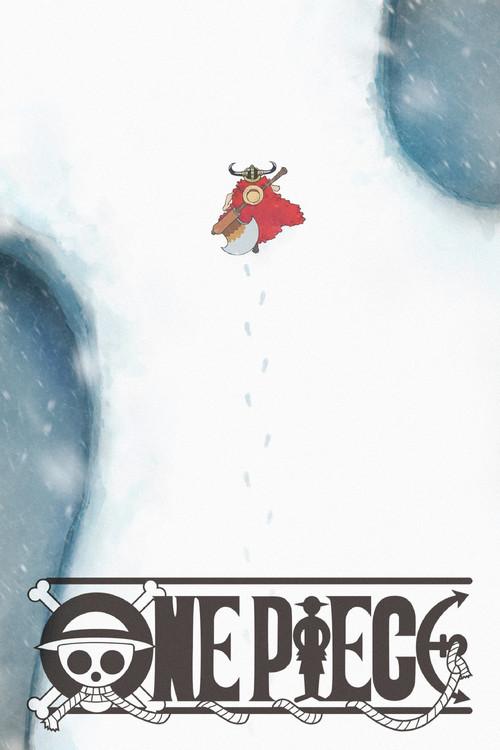
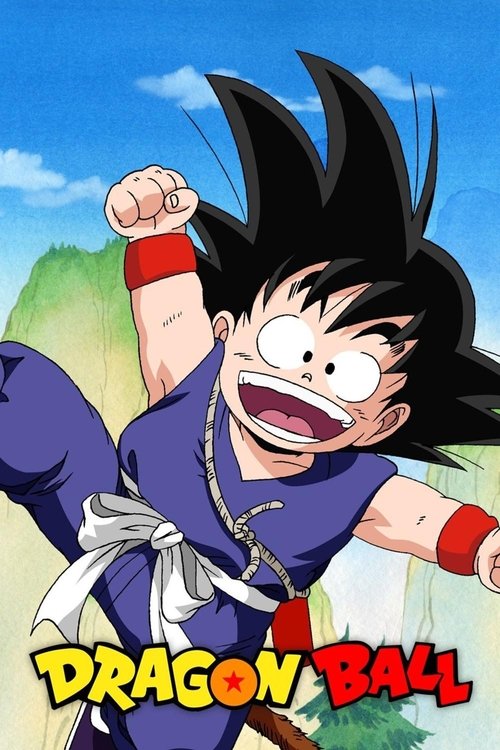
The early seasons of My Hero Academia feel like a classic school adventure. Deku joins Class 1-A at U.A. High, trains alongside his classmates, and learns to control One For All, a power so strong that it injures his own body every time he uses it. Sports festivals, training camps and licence exams give the story its rhythm, while a rival classmate with an explosive temper pushes Deku to improve with every clash. Behind the fun, a league of villains gathers, and their plans grow bolder with every season. As the story moves through its eight seasons, the tone deepens. Friendships are tested, mentors fall, and Deku is forced to decide what kind of hero he wants to be when being a hero stops being fun and starts costing him everything. The final season, which arrived in 2025, brings the long-running conflict to its conclusion, so new viewers can now watch the complete story from start to finish. Fans of long, character-driven epics will find a similar sense of scale in One Piece, while Naruto offers another classic tale of an outcast chasing a seemingly impossible dream.
Quirks Explained: How Powers Work
Quirks are the heart of My Hero Academia, and the series treats them as more than just superpowers. A Quirk is usually inherited, often resembling a parent’s ability, and it shapes everything about a person’s life, from their career to how strangers treat them. Some gifts are extraordinary, others seem useless, and the show keeps asking whether a person’s worth is decided by the power they were given. One For All, the Quirk Deku inherits, is special because it can be passed from one person to another, growing stronger with each holder, and it carries the wills and abilities of everyone who held it before. That inheritance is both a gift and a burden, because Deku must live up to a legacy built by generations of heroes, including All Might himself. Villains have Quirks too, of course, and some of the most frightening ones in the series belong to people whose powers were feared or rejected by the world around them. The best fights in the show are rarely won by the strongest Quirk alone. They are won by quick thinking, teamwork and knowing exactly when to push a power past its limits, a quality the series shares with Black Clover, where a hero with no magic at all refuses to accept his limits.
The Characters Who Carry the Story
Deku is the soul of the series. He starts as an anxious, notebook-obsessed fan who analyses heroes the way other teenagers follow sports stars, and he grows into a hero who thinks first about saving people rather than winning fights. His heroism is not about being the strongest person in the room. It is about refusing to walk past someone in danger, even when helping could cost him dearly. All Might is the other pillar of the story, a hero whose booming laugh and giant smile hide a weakening body and a secret that could shake public faith in heroes. His mentorship of Deku is the emotional core of the early seasons, as a legend tries to pass on not just his power but his belief that anyone can become a symbol of hope. Around them, Class 1-A is packed with classmates who each bring a different Quirk, personality and dream to the story. There is the hot-headed rival who cannot stand losing, the kind-hearted classmate who makes a natural rescuer, and the quiet, powerful student carrying a painful past. Their friendships, rivalries and growth give the series its warmth, and by the later seasons, the students of U.A. High feel like a family the audience has grown up alongside. That found-family feeling is also central to Jujutsu Kaisen, where a school of young sorcerers faces dangers far beyond their years.
Why My Hero Academia Works So Well
Three things make My Hero Academia stand out from other hero stories. First, it takes heroism seriously as a job. Heroes have licences, rankings, agencies, public relations problems and paperwork, and the series explores what happens when the business of heroism collides with the ideals behind it. Second, it gives its villains real motives. The enemies Deku faces are not simply evil for the sake of it. Many of them were failed by the same hero society the heroes protect, and the show asks uncomfortable questions about who the system leaves behind. Third, it never forgets that its heroes are teenagers. Exams, crushes, self-doubt and the fear of disappointing a mentor matter just as much as any battle, and that balance is why the emotional moments land so hard. If you enjoy that blend of heart and action, Demon Slayer: Kimetsu no Yaiba pairs breathtaking battles with the same fierce emotional core, and Attack on Titan takes the question of what a hero owes society to even darker places.
Where to Watch My Hero Academia Legally
My Hero Academia streams officially on Crunchyroll and Netflix, with subtitles and dubbed audio on many episodes. Dub availability varies by region and over time, so check the official platform app for the current listing. For the Hindi dub specifically, see our guide to My Hero Academia in Hindi dub and our where to watch My Hero Academia in India page for the latest platform details. If you want more shows in the same spirit, our anime like My Hero Academia list is a good next stop.
The Bottom Line
My Hero Academia is a hero story that earns its optimism. Deku’s journey from powerless fan to the inheritor of One For All is funny, thrilling and genuinely moving, and the world of Quirks, U.A. High and All Might’s legacy gives it a scale that keeps growing across all eight seasons. Start from season one, give Class 1-A time to win you over, and enjoy one of the defining shonen anime of its generation.
Leave a Reply